Buying a Colorado Hunting Ranch: What Buyers Need to Know Before They Buy
From elk and mule deer habitat to legal access and landowner preference programs, here's what to evaluate when purchasing a hunting property in Colorado.
For many people, owning a hunting ranch in Colorado is about more than the opportunity to pursue elk, mule deer, or other big game. It's about having a place to escape, spend time with family and friends, enjoy the outdoors, and build traditions that can last for generations.
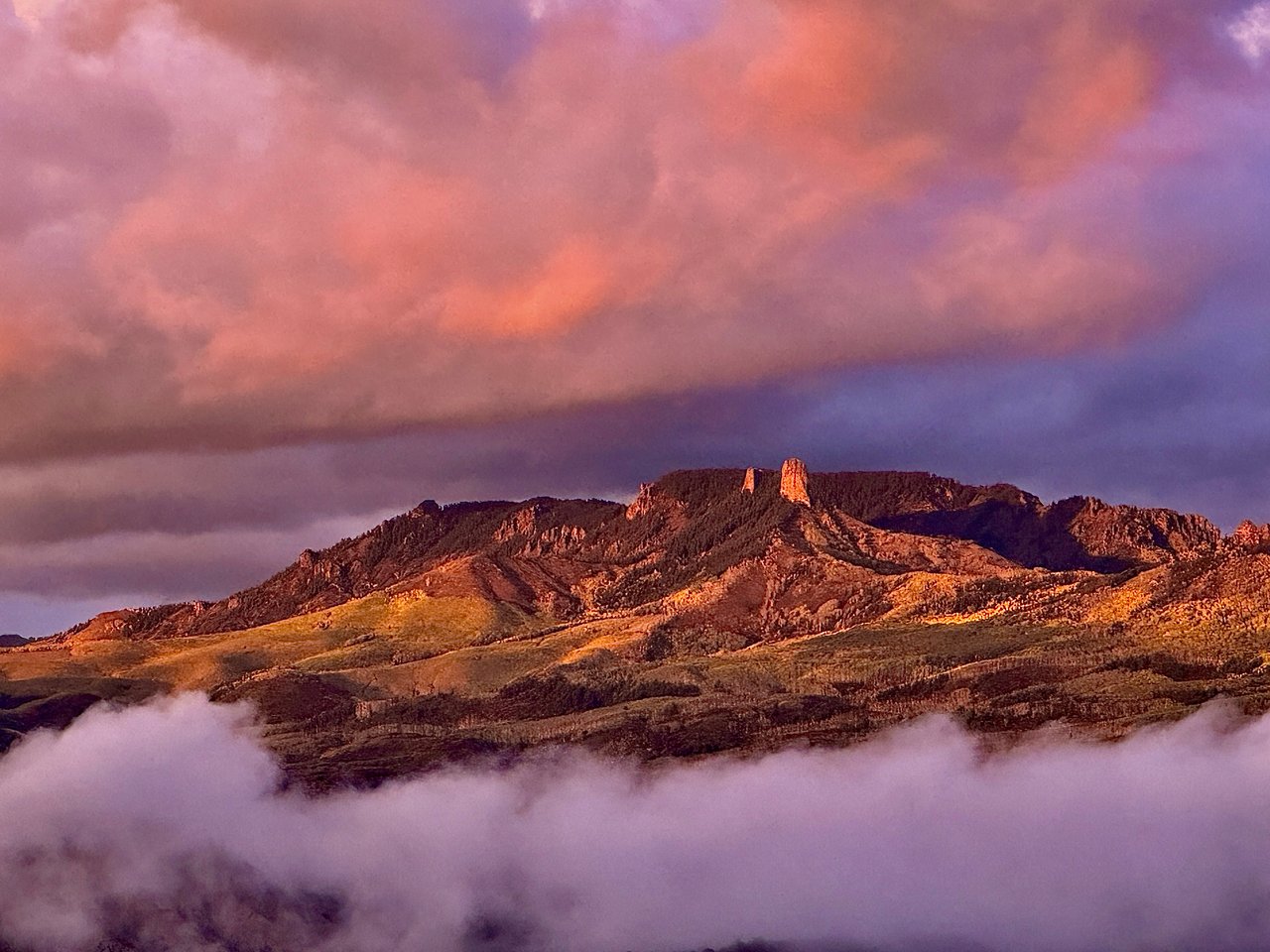
Colorado offers an incredible diversity of hunting country, from high-elevation mountain timber and alpine basins to sagebrush hills, agricultural valleys, and expansive Western Colorado ranches. But not all hunting properties offer the same opportunities, and purchasing the right one requires looking beyond the acreage and the animals that might be seen during a property visit.
A great hunting ranch is the result of several factors working together: quality habitat, dependable access, favorable terrain, water, surrounding land uses, wildlife management by the state, and realistic expectations about hunting opportunities.
For buyers considering a Colorado hunting ranch, understanding these factors before making a purchase can help determine whether a property truly fits their goals.
1. Understand the Wildlife Habitat
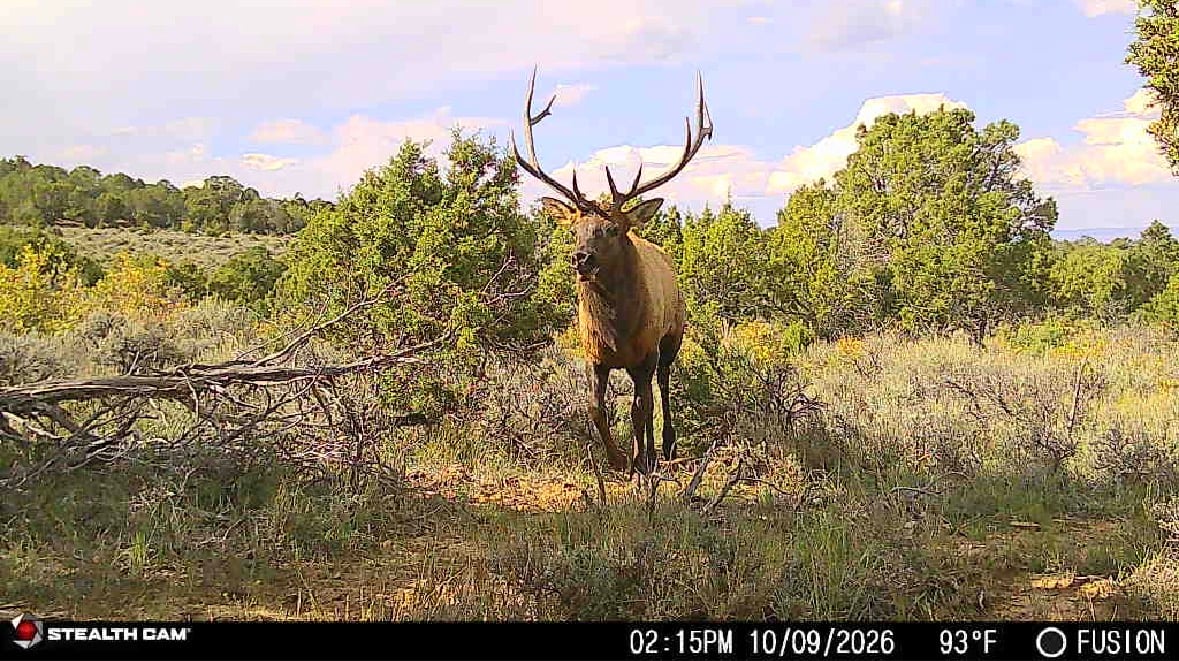
One of the first things to evaluate when purchasing a hunting ranch is the quality and diversity of its wildlife habitat.
Elk, mule deer, and other wildlife respond to a combination of food, water, cover, elevation, seasonal conditions, and disturbance. A property that provides several of these elements may offer valuable habitat, but the surrounding landscape is important, too.
Look at the property's terrain, vegetation, natural water sources, timber, open meadows, and seasonal forage. Consider how wildlife might use the property throughout the year rather than focusing only on what is present during a single visit.
A ranch may provide important bedding cover, travel corridors, or feeding areas without holding large numbers of animals year-round. Nearby public lands, neighboring ranches, development, roads, and hunting pressure can also influence wildlife movement and the overall hunting experience.
This is where understanding the land itself becomes important. Aerial maps and listing photographs can help identify features, but spending time on the ground and reviewing the property's surroundings can reveal much more.
The goal is to understand the role the property plays in the broader landscape and whether that aligns with the hunting experience you're looking for.
2. Know the Hunting Unit and Regulations
Colorado is divided into game management units, and hunting opportunities vary by species, season, license type, and applicable regulations.
Before purchasing a hunting ranch, buyers should identify the relevant game management units and research the hunting opportunities available in those areas. License availability, draw odds, season dates, legal methods of take, and other requirements can change over time.
Some buyers prioritize areas where they can pursue elk with an over-the-counter license when available. Others are willing to plan around limited-license draw opportunities or focus on mule deer, bear, turkey, or other species.
The important thing is to match the property to your hunting goals.
Do not assume that purchasing private land automatically provides a particular hunting license, guarantees a successful hunt, or eliminates applicable state regulations. Buyers should confirm current requirements through Colorado Parks and Wildlife and evaluate each hunting opportunity independently.
A knowledgeable ranch broker can help identify the questions buyers should ask about a property's location and recreational potential, but current hunting regulations and license eligibility should always be verified with the appropriate authorities.
3. Evaluate Landowner Preference Program Opportunities Carefully
Landowner preference programs can be an important consideration for buyers interested in certain Colorado hunting properties.
Eligible landowners may have opportunities to participate in specific license programs, subject to current regulations, acreage and ownership requirements, property eligibility, and other conditions. However, not every ranch qualifies, and the availability of licenses or vouchers should never be assumed.
If landowner preference opportunities are part of your purchase decision, investigate the property's eligibility, any existing participation, the relevant game management unit, and the rules governing the particular program.
It is also important to understand whether a claimed hunting benefit is tied to the landowner, a specific property, or a separate eligibility process. Do not assume that an existing voucher or license opportunity automatically transfers with a real estate transaction.
For buyers who place significant value on these opportunities, verifying the details before closing is essential.
A hunting property should stand on its own merits, with any additional license opportunities evaluated as a separate consideration rather than treated as a guaranteed benefit.
4. Understand Access to Your Property and Surrounding Public Lands
Access is one of the most important factors in any ranch purchase, particularly when hunting is a primary objective.
Start by establishing legal access to the property itself. Determine whether roads are public, private, or established through recorded easements. Review maintenance responsibilities, seasonal closures, road conditions, and any restrictions that could affect your intended use.
Then evaluate access to the surrounding landscape.
Some private ranches border public lands managed by agencies such as the U.S. Forest Service or Bureau of Land Management. That proximity can provide additional recreational opportunities, but the details matter.
A property that borders public land does not necessarily provide legal access to every adjoining parcel. Public land may be difficult to reach, separated by private property, or subject to seasonal restrictions. Access across neighboring land generally requires appropriate legal authorization.
Buyers should also understand whether the ranch has internal roads, trails, gates, and terrain suitable for their intended use.
The ability to reach different portions of a property can make a substantial difference in how practical it is for hunting, wildlife management, and general recreation.
Before purchasing, study the maps, review the recorded documents, and verify the access arrangements rather than relying solely on a listing description.
5. Look Beyond the Hunting Season
A hunting ranch is still a real estate investment, and its value should not depend entirely on a few weeks in the field each year.
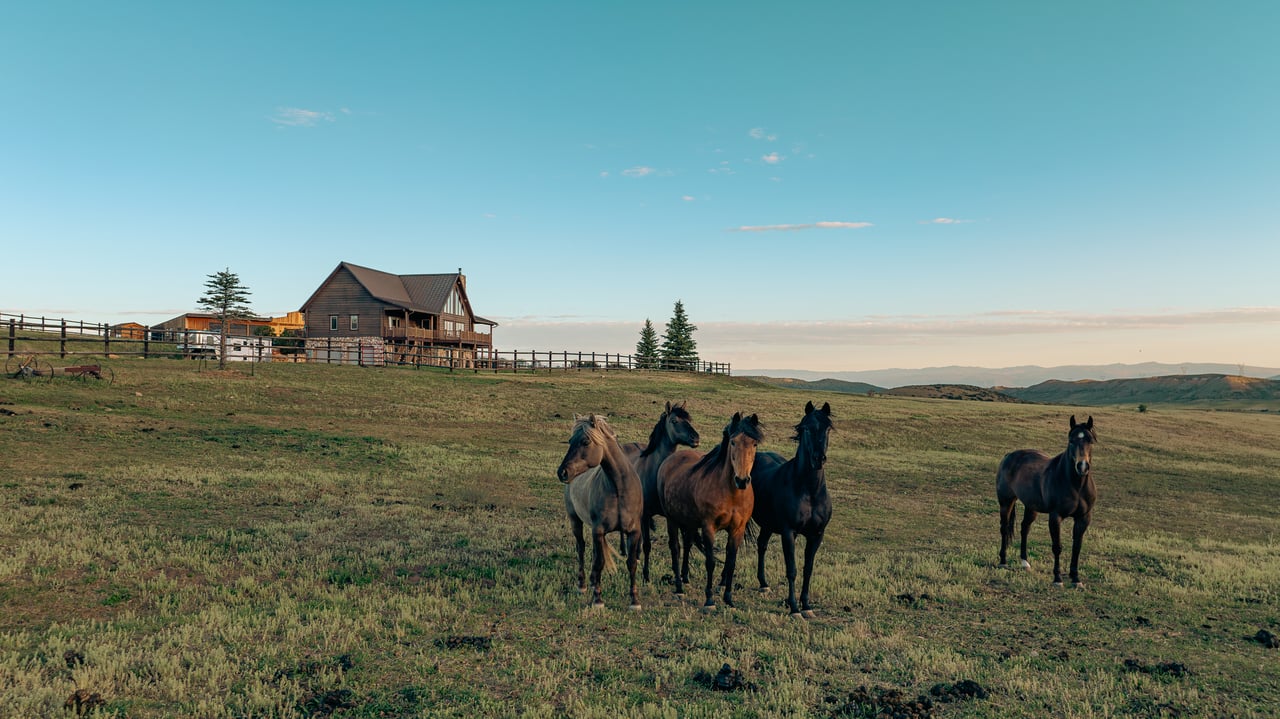
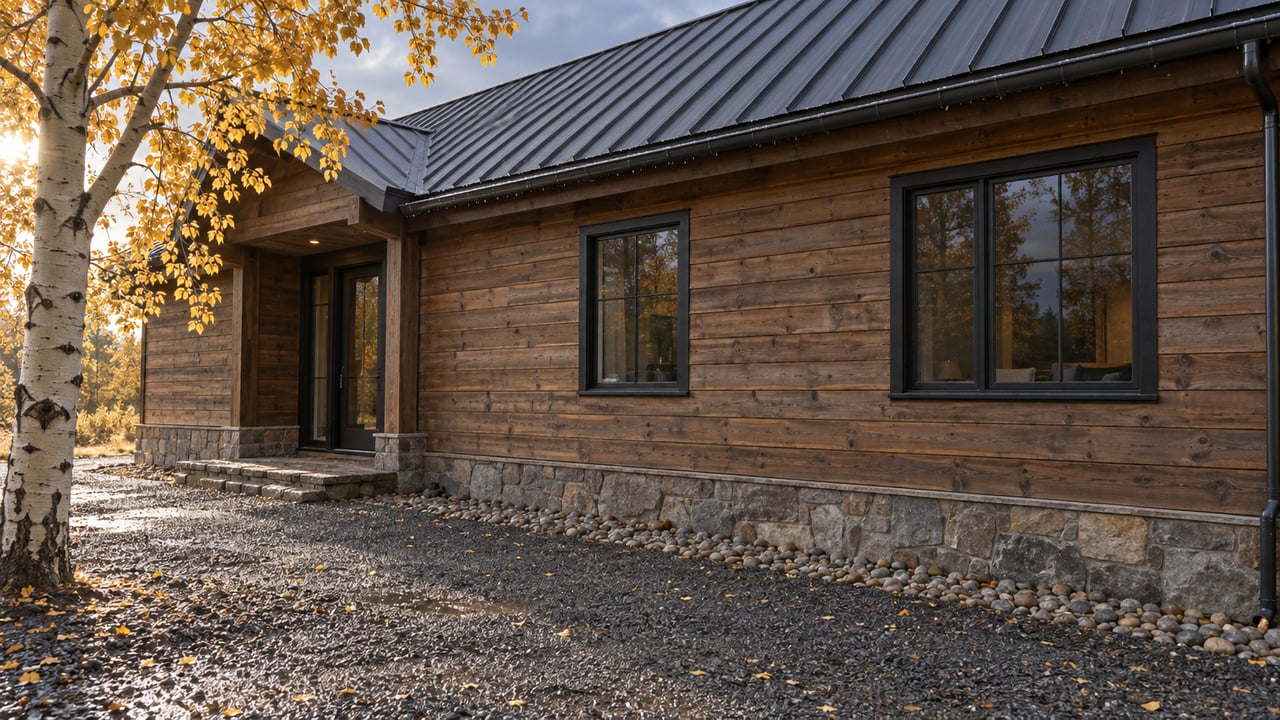
Consider what the property offers throughout the other seasons. Is there productive grazing ground? Irrigated hay acreage? Fishing? Horseback riding? Camping? Wildlife viewing? A comfortable home or cabin where family and friends can gather?
Water, usable acreage, improvements, location, and legal access can all contribute to a property's usefulness beyond hunting season.
For some buyers, a combination of agricultural and recreational value is particularly appealing. A ranch that supports livestock, offers meaningful outdoor recreation, and provides a place for family gatherings may serve several purposes over time.
Buyers should also evaluate operating expenses, maintenance requirements, property taxes, insurance, and the cost of managing remote acreage. A property that looks attractive on paper may require significant investment to maintain roads, fencing, buildings, and other infrastructure.
The right purchase is one that fits your financial expectations and your plans for the land throughout the year.
6. Evaluate Water, Terrain, and Usable Acreage
Water and terrain influence the practical value of a hunting ranch in ways that are not always obvious from the total acreage.
Creeks, springs, ponds, wetlands, and other water sources may contribute to wildlife habitat and recreational appeal. However, buyers should verify water rights, physical availability, seasonal reliability, and applicable legal restrictions rather than assume that the presence of water guarantees a particular use.
Terrain deserves equal consideration. A property with a combination of timber, open country, elevation changes, and natural travel corridors may offer a variety of habitat conditions. But steep or inaccessible ground can also limit how the land is used.
Think carefully about the balance between total acreage and usable acreage. Consider whether the property can be accessed safely, whether there are practical routes for managing the land, and whether its habitat features fit your hunting objectives.
There is no single ideal combination. Some buyers want rugged mountain country, while others prefer a mixture of open meadows, timber, and accessible terrain.
The important thing is to understand what the property actually offers and how it fits your expectations.
7. Consider the Long-Term Value of the Property
The best hunting ranch purchase is not necessarily the one with the most acreage or the most impressive wildlife photographs.
Long-term value can be influenced by location, water resources, legal access, habitat, productive ground, improvements, and the overall scarcity of the property's features. Properties that combine several desirable attributes may appeal to a wider range of future buyers, although appreciation is never guaranteed.
It is also worth considering the property's management needs and any restrictions that could affect future ownership or resale. Conservation easements, zoning, subdivision limitations, and other recorded restrictions may influence what can be done with the land.
For buyers thinking about legacy ownership, a ranch can represent something beyond a financial investment. It can be a place where children and grandchildren learn to hunt, families gather each fall, and traditions continue across generations.
That personal value is difficult to quantify, but it is often an important part of why people pursue ranch ownership in the first place.
The key is to understand both the practical and financial realities of ownership before making a decision.
Finding the Right Colorado Hunting Ranch
Every hunting ranch is different. Some properties offer productive agricultural ground alongside quality wildlife habitat. Others provide rugged mountain terrain, privacy, and proximity to public lands. Some combine these characteristics into a property that offers a wide range of opportunities.
Before buying, take the time to evaluate habitat, access, hunting regulations, water, improvements, operating costs, and the property's long-term potential.
Most importantly, be clear about what you want the ranch to provide. A property that works well for one buyer may not be the right fit for another.
Buying a hunting ranch is a significant decision, and the best purchases begin with a clear understanding of the land and realistic expectations about its opportunities.
For those looking to own a piece of Colorado's hunting country, the right ranch can offer more than time in the field. It can provide a place to reconnect with the outdoors, share experiences with family and friends, and build a legacy that extends well beyond hunting season.
If you're considering buying or selling a hunting ranch in Colorado, explore available properties at JeradCottenRanches.com or reach out to discuss what you're looking for.
Jerad Cotten is a Western Colorado ranch real estate broker specializing in ranch properties, hunting and recreational land, agricultural operations, and legacy ranches.