What Makes a Great Colorado Ranch Investment in Today's Market?
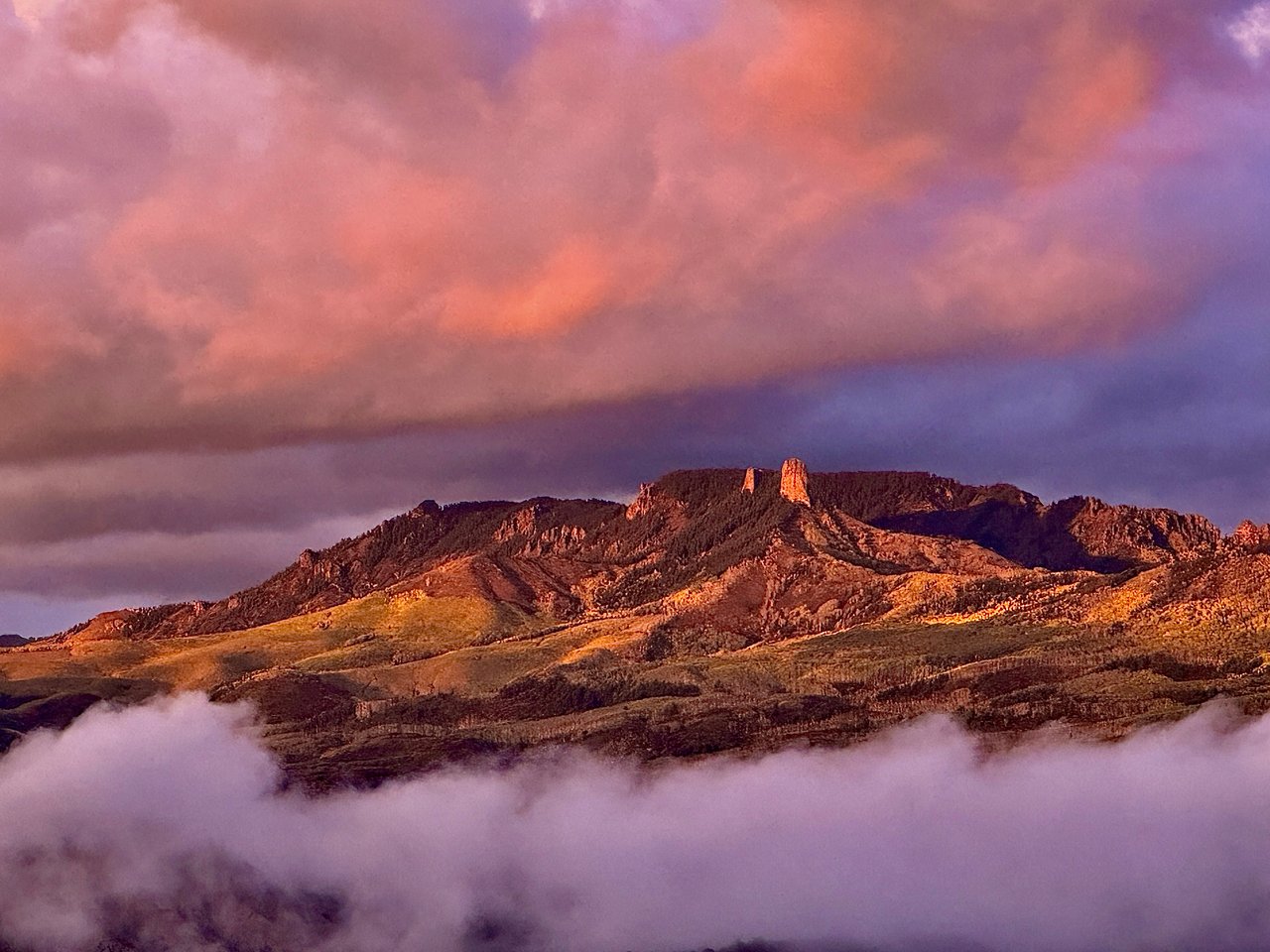
Buying a ranch in Colorado is about much more than acreage, mountain views, or the price listed on a property. A truly great ranch is a combination of resources, usability, location, and opportunity. It is land that offers something meaningful today while holding the potential to remain valuable for generations to come.
Across Western Colorado, ranch properties vary tremendously in what they offer. Two ranches with similar acreage and asking prices can have very different values when you begin looking at water rights, productive ground, functionality, access, wildlife habitat, improvements, and permitted uses.
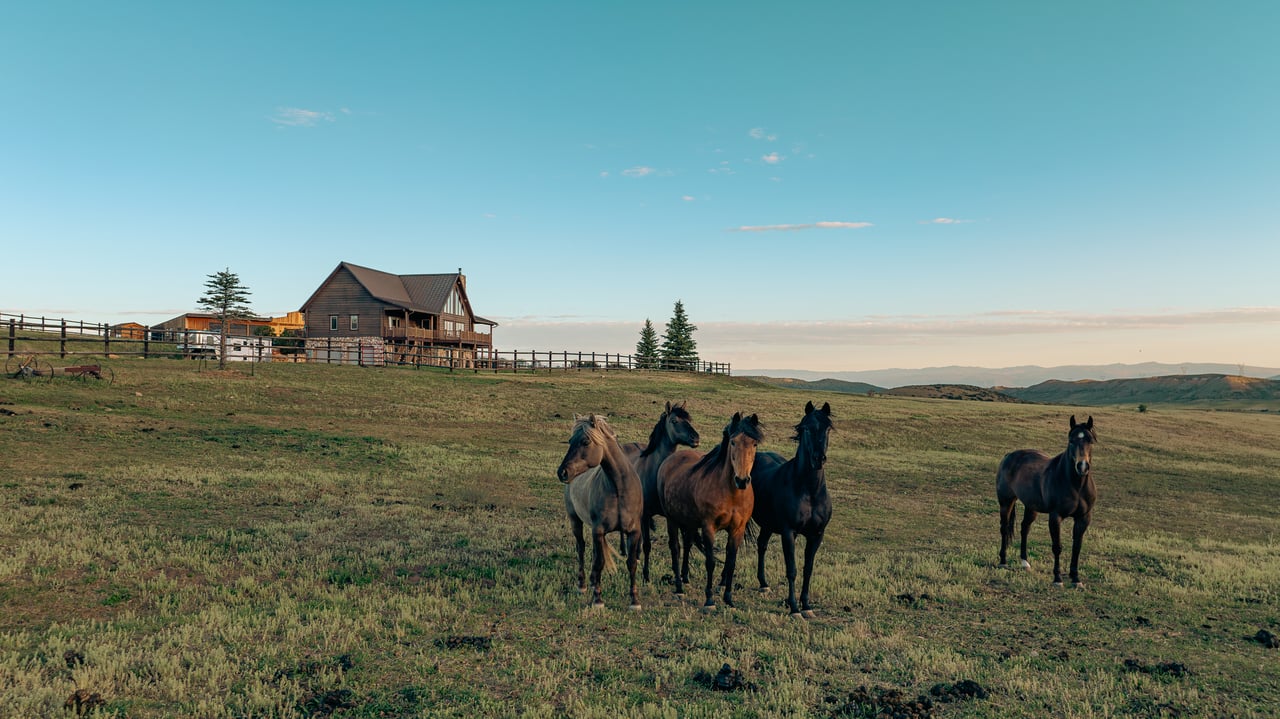
For some buyers, the goal is to operate a working cattle ranch. Others are looking for exceptional elk and mule deer hunting, private fishing opportunities, a recreational retreat, or a long-term real estate investment. Some want a combination of everything, along with a place where their family can build traditions and pass down a legacy.
Regardless of the goal, understanding what makes a ranch valuable is the first step toward making a sound investment.
As someone who grew up in Western Colorado living ranching, farming, and the outdoors, I've learned that the true value of a property often goes well beyond what you see on a map or in a listing description. You have to understand the land, its resources, and what it can realistically provide.
1. Water: The Foundation of a Western Colorado Ranch
In the American West, water is the single most important factor to evaluate when purchasing a ranch.
Water can influence agricultural production, grazing capacity, wildlife habitat, recreational opportunities, and the overall usability of a property. Irrigated ground can be particularly valuable in a region where precipitation is limited and dependable water supplies are essential to agricultural operations.
However, seeing water on a property does not necessarily mean you have the legal right to use it.
Buyers should carefully evaluate irrigation water rights, ditch company shares, decreed water rights, wells, springs, stock water, and the terms governing their use. They should also understand the difference between owning water rights and having access to a physical water source. The priority, historical use, decree, availability, and legal limitations of a water right can all matter.
It is equally important to understand how reliable that water supply is. A ranch may have irrigation infrastructure in place, but seasonal shortages, drought, ditch maintenance, or limitations on delivery can affect how much water is actually available.
When evaluating a ranch, I encourage buyers to look beyond the number of water shares or the presence of a creek. Understand what the water rights allow, how the system operates, and what the property can realistically support.
In Colorado, water is not simply another feature of a ranch. It can be one of the defining factors in its long-term utility and value.
2. Usable Acreage Versus Total Acreage
A thousand acres can mean very different things depending on the land.
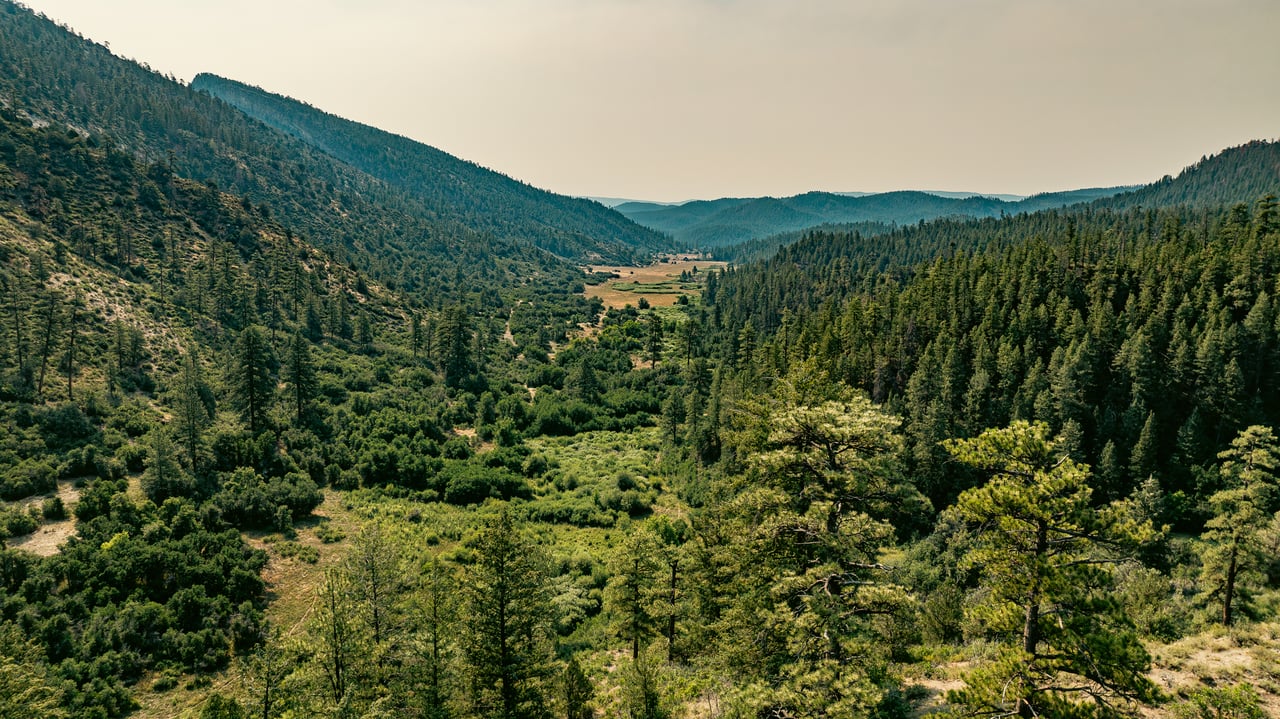
Some ranches feature productive irrigated meadows, rolling pasture, and accessible grazing ground. Others consist largely of steep mountainsides, timber, rocky terrain, or remote ground that serves primarily recreational purposes.
Neither type is inherently better. The important question is whether the acreage aligns with the buyer's intended use.
For a cattle operator, productive pasture, irrigation, fencing, livestock facilities, and carrying capacity may be central to the purchase decision. For a hunting enthusiast, a property's terrain, cover, water sources, wildlife movement, and relationship to neighboring lands may be more important.
For a buyer seeking a private mountain retreat, the priorities might be privacy, scenery, access, building sites, and proximity to outdoor recreation.
This is why comparing ranches strictly by price per acre can be misleading. A lower price per acre does not automatically represent a better investment, just as a higher price per acre does not necessarily mean a property is overpriced.
The real question is what those acres offer.
How much ground is productive? How much is accessible? What resources are available? Are there restrictions that affect how the property can be used? And will the land support the buyer's long-term objectives?
Understanding these differences helps buyers compare properties based on their actual value rather than acreage alone.
3. Wildlife, Hunting, Fishing, and Recreational Value
For many ranch buyers, recreation is a major part of the investment.
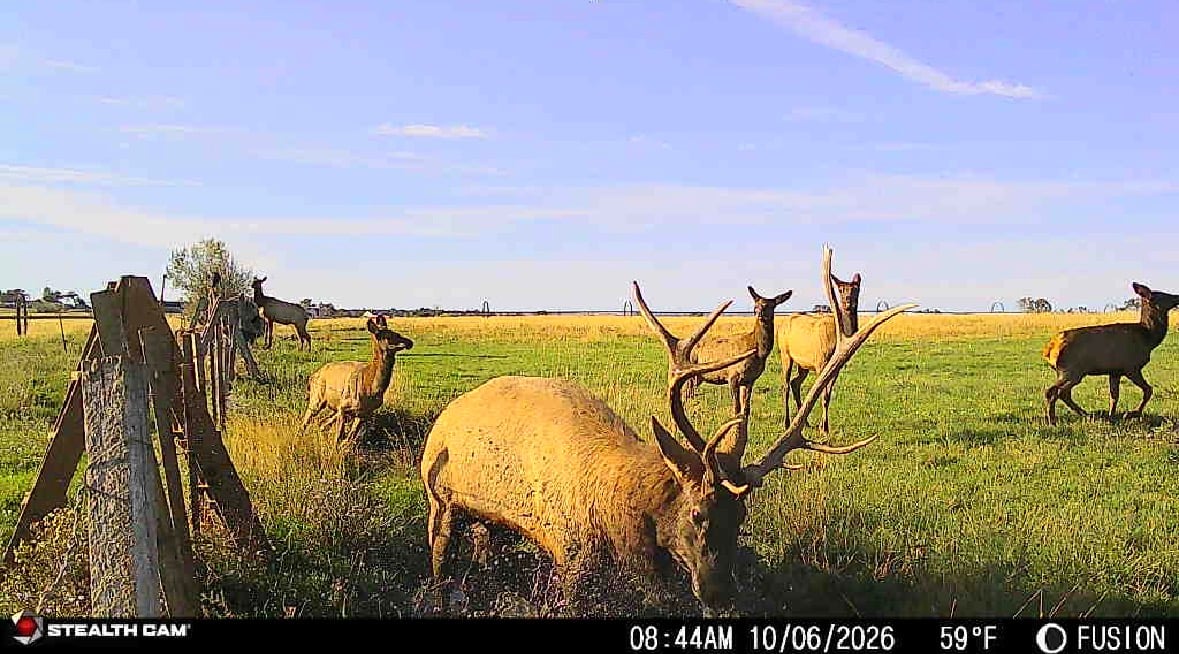
Colorado offers remarkable opportunities for elk and mule deer hunting, fishing, horseback riding, hiking, and enjoying the outdoors. A ranch with quality wildlife habitat, natural water sources, diverse terrain, and access to surrounding public lands can be especially appealing to buyers who value these experiences.
But not all hunting properties are created equal.
Wildlife value depends on more than the animals seen during a property visit or the photos included in a listing. Habitat quality, seasonal migration, forage, cover, elevation, neighboring land uses, and hunting pressure can all influence the experience a property offers.
Access is equally important. Buyers should verify property boundaries, legal access routes, easements, and the rules governing entry onto adjoining public or private land. Proximity to public land can be a tremendous benefit, but it is important to establish exactly where access exists and what it permits.
Buyers interested in landowner preference programs or hunting licenses should also understand the applicable eligibility requirements, regulations, and whether any anticipated benefits are transferable or otherwise available to them.
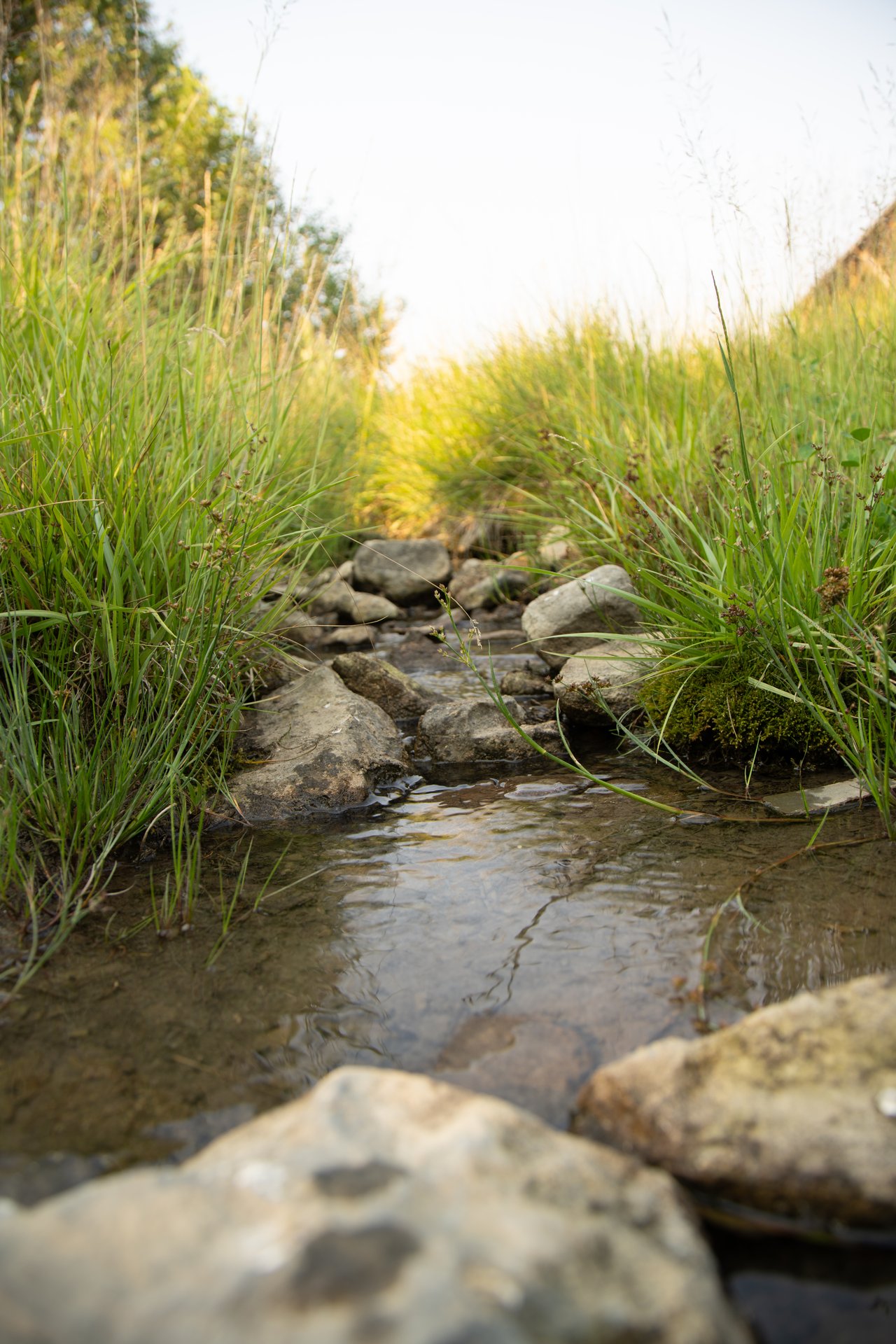
Fishing opportunities deserve the same careful consideration. A creek running through a property can add tremendous appeal, but buyers should establish the applicable water rights, fishing access, and ownership boundaries rather than assume that owning land along a stream provides unrestricted fishing rights.
The best recreational ranches offer a combination of habitat, access, privacy, and opportunity. For the right buyer, those attributes can make a property far more meaningful than its acreage alone might suggest.
4. Agricultural Productivity and Operating Costs
A working ranch is both a property and an operation.
When evaluating agricultural land, buyers should consider hay production, grazing capacity, irrigation infrastructure, fencing, corrals, barns, equipment, labor requirements, and ongoing maintenance. They should also understand the property's operating expenses and the revenue it has historically generated, where applicable.
An irrigated hay meadow may offer productive potential, but actual production depends on water availability, soil conditions, weather, management, and operating costs. Similarly, grazing capacity depends on forage, growing conditions, management practices, and the duration and intensity of grazing.
Buyers should request relevant operating records and evaluate the numbers rather than assume that a property will generate a particular income simply because it has been used agriculturally.
Property taxes, insurance, road maintenance, equipment, repairs, utilities, and labor can all affect the economics of ownership.
Not every ranch needs to produce a financial return from cattle or hay. Some buyers are perfectly comfortable owning land primarily for recreation, privacy, and family enjoyment. Others want agricultural production to offset a portion of their ownership costs or contribute to an operating business.
There is no single right answer.
The key is understanding what you are buying, what it costs to operate, and whether its productive capabilities align with your expectations.
5. Access, Improvements, and Land-Use Restrictions
A beautiful ranch can lose much of its practical appeal if access is uncertain, improvements require significant investment, or land-use restrictions prevent the buyer from accomplishing their goals.
Legal access should always be carefully evaluated. Buyers need to understand whether access is provided by public roads, recorded easements, private roads, or other arrangements, along with any maintenance obligations and seasonal limitations.
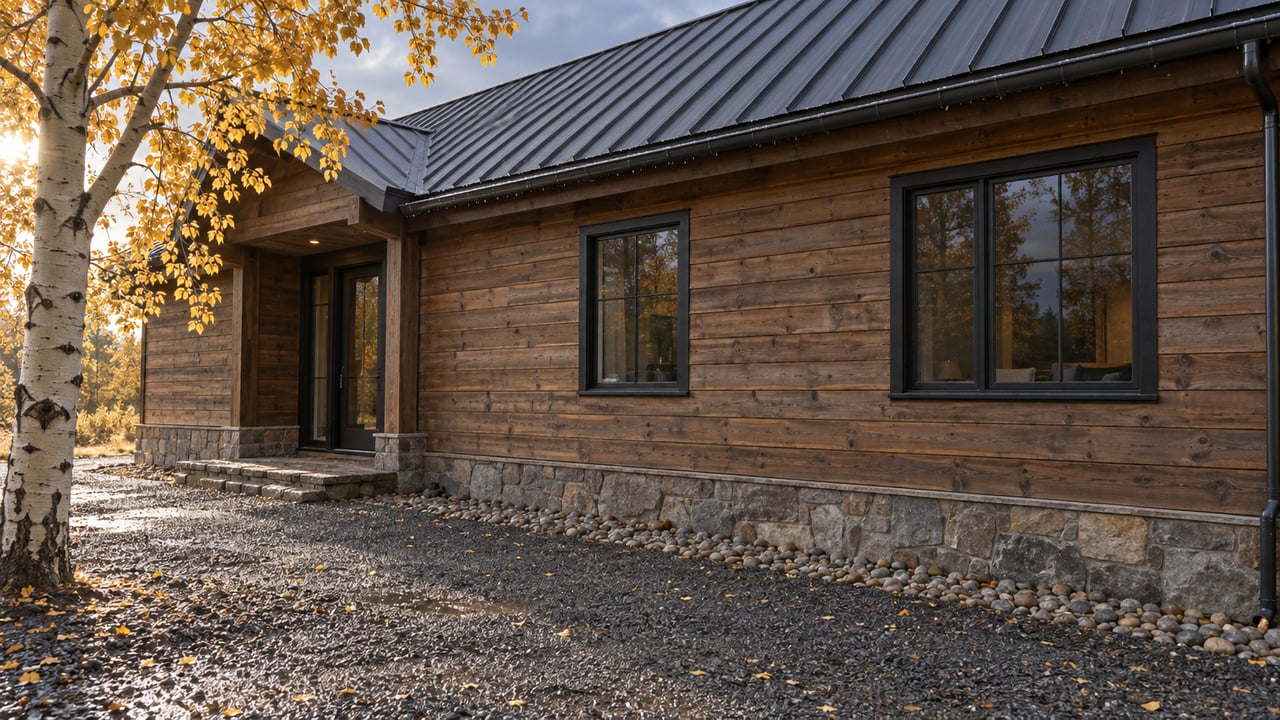
Improvements deserve close attention as well. Homes, barns, corrals, fencing, wells, septic systems, utilities, irrigation infrastructure, and outbuildings can contribute meaningful value, but their condition and functionality matter. Deferred maintenance or outdated infrastructure can create substantial expenses after closing.
Land-use regulations, zoning, conservation easements, and other recorded restrictions can also influence what a buyer may do with a property.
A conservation easement, for example, may protect important agricultural, wildlife, or scenic values while limiting certain types of future development. Depending on the terms, it can be an important part of a property's conservation story and long-term management, but buyers must understand the specific restrictions before purchasing.
The same principle applies to subdivision potential, additional building sites, commercial activities, and other proposed uses. Never assume that a property can be developed or operated in a particular way without verifying the applicable requirements.
A sound ranch investment begins with understanding both the opportunities and the limitations of the land.
6. Long-Term Value and Building a Legacy
For many people, purchasing a ranch is about more than making a real estate investment. It is about securing a place to spend time with family, enjoy the outdoors, operate a business, and create memories that last beyond a single generation.
That personal value matters, but buyers should also consider the characteristics that may support a property's long-term marketability.
These can include dependable water resources, productive ground, quality access, desirable location, functional improvements, recreational appeal, and a combination of attributes that would be difficult to replicate elsewhere.
Scarcity can matter, too. Ranches with a particularly useful combination of irrigated acreage, live water, privacy, wildlife habitat, and proximity to desirable recreation may appeal to a broader range of buyers than properties with fewer complementary features.
However, no ranch is guaranteed to appreciate, and rural property markets can be influenced by interest rates, economic conditions, buyer demand, operating costs, and changing regulations. A good investment requires realistic expectations and a thorough evaluation of the specific property.
I believe some of the best ranch purchases happen when buyers clearly understand why a property fits their needs and what makes it different from other available options.
The goal is not necessarily to buy the biggest ranch or the most expensive one. It is to find a property whose resources, location, usability, and long-term potential align with your objectives.
For some, that means a productive cattle operation. For others, it means a hunting and fishing retreat. For many, it is a combination of agricultural value, recreation, and the opportunity to leave something meaningful for the next generation.
Looking Beyond the Asking Price
Every ranch has a story, and every property presents a different combination of opportunities and challenges.
Some offer productive irrigated ground and established agricultural operations. Others provide exceptional wildlife habitat, privacy, fishing, or access to Colorado's mountains and public lands. Some combine these attributes into a property that is truly difficult to replicate.
The key is knowing what you are buying, understanding the limitations, and determining whether the land's resources and opportunities align with your long-term goals.
In Colorado ranch real estate, asking the right questions before purchasing can make a significant difference in the ownership experience and the property's future marketability.
Look beyond the acreage and the asking price. Understand the water. Evaluate the usable ground. Verify the access. Consider the property's intended use and long-term potential.
Most importantly, find a ranch that makes sense for your goals.
Whether you are searching for a working cattle operation, a hunting and fishing property, a recreational retreat, or a legacy ranch to pass down through your family, having the right information and guidance can help you make a more informed decision.
If you're considering buying or selling a ranch in Colorado, I invite you to explore available properties at JeradCottenRanches.com or reach out to discuss your goals.
Jerad Cotten is a Western Colorado ranch real estate broker specializing in ranch properties, hunting and recreational land, agricultural operations, and legacy ranches.